

Acting for the Planet

SDG 12
Responsible Consumption and Production
Our goal: to reduce the environmental footprint throughout the life cycle of our products.
This involves eco-responsible materials, optimized production, recycling, and waste recovery… Concrete actions like these help us, together with our clients, create more sustainable solutions.
Local Production at the Heart of Our Responsible Choices
We deliberately choose to prioritize local production.
This approach stems from a strong commitment: to support the regional economy, reduce our carbon footprint, and ensure impeccable quality, both in terms of traceability and regulatory compliance.
When we supplement our offering with products from abroad, we ensure that they meet the same standards as our locally manufactured items. The majority of our products, whether produced in-house or carefully selected, are OEKO-TEX® Standard 100 certified, an internationally recognized label for textile safety and quality.
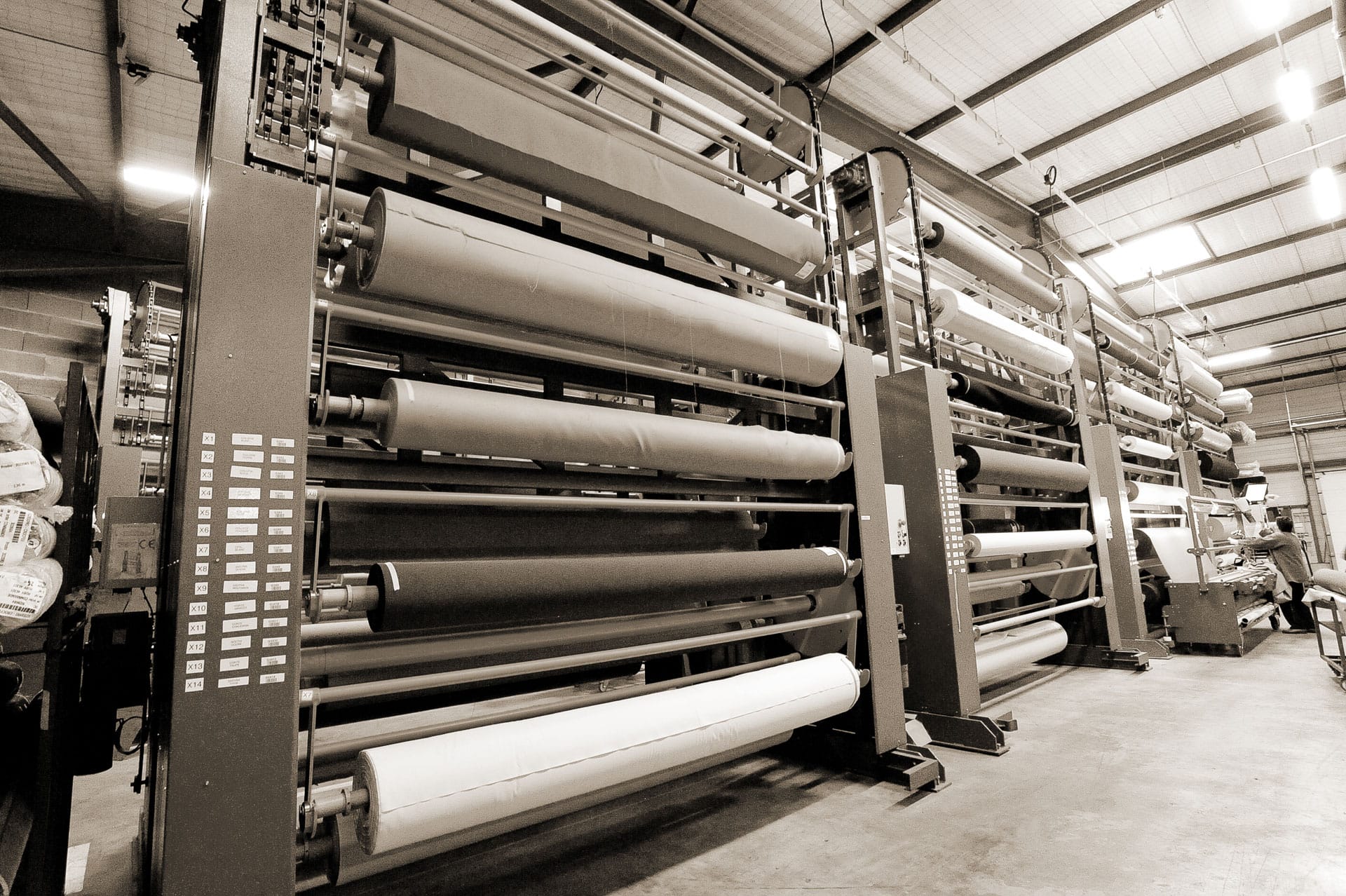
This certification goes far beyond the requirements of European regulations, such as REACH or NF standards. It ensures that every component of the textile product—yarns, dyes, accessories—has been rigorously tested against more than 300 criteria for the absence of harmful substances. This includes the exclusion of allergenic dyes, heavy metals, perfluorinated compounds, and pesticide residues, thereby protecting consumers and respecting the environment.
In summary, producing in France or responsibly importing is not a constraint, but a strategic choice. A choice fully aligned with our CSR commitment, focused on quality, durability, and the positive impact of our activities.
Designing Technical Textiles with a Low Environmental Footprint
The environment is at the heart of our eco-design approach, starting from the very first stages of product development.
• Flame resistance (compliant with the M1 standard and other international standards)
• Durability under intensive use
• Aesthetic quality and textile feel equivalent to non-recycled materials
• Extending product lifespan through durability and long-lasting performance
• Reducing their environmental footprint across the entire life cycle, from manufacturing to end-of-life
2027 Goal: reach 15% recycled content.

Promoting Short Supply Chains to Minimize Our Impact
Going Local Is in Our DNA!
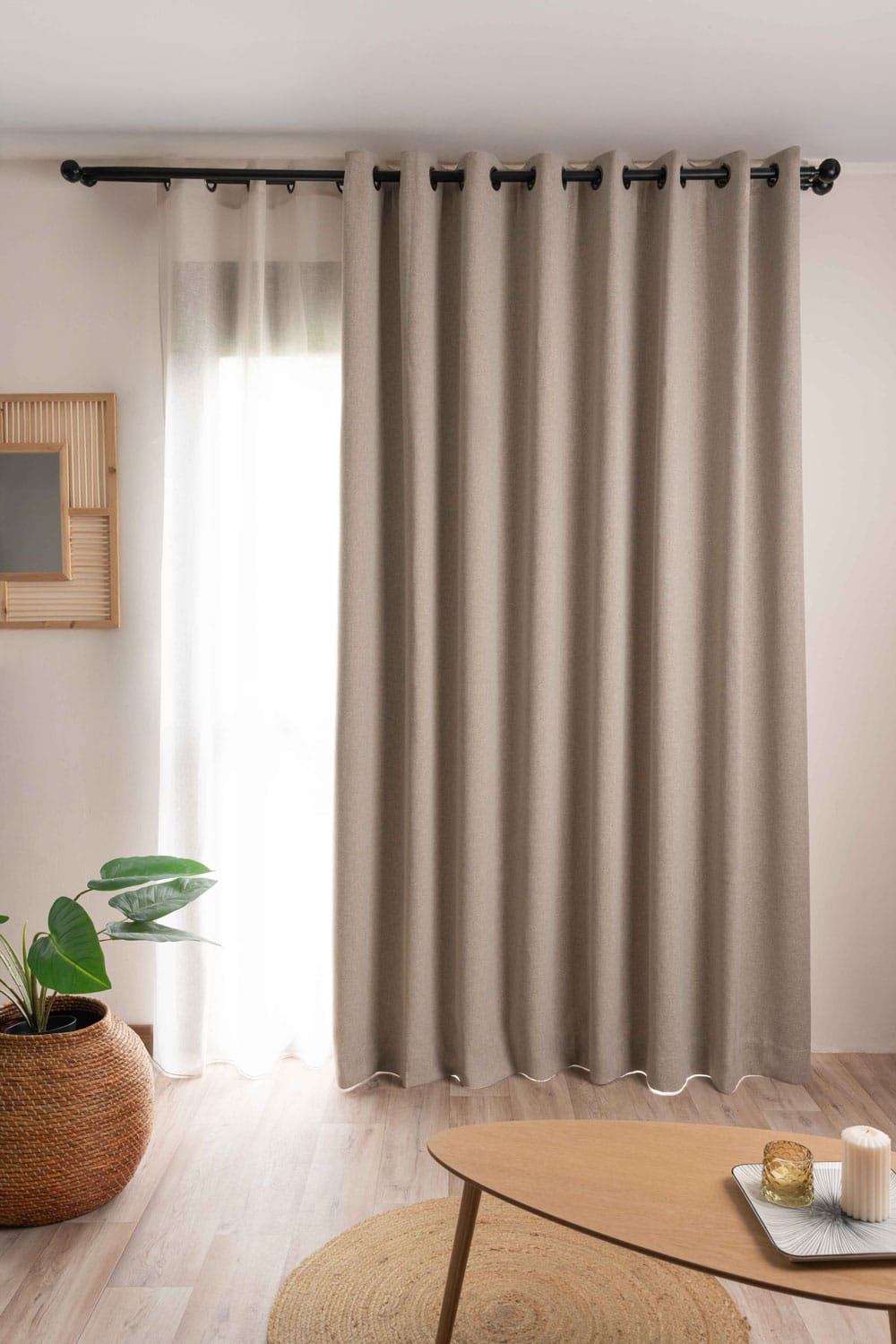
Already, 26 products in our range are France Terre Textile® certified.
Together, we do more than produce textiles: we preserve a heritage, support the local economy, and reduce our impact by minimizing transportation.
Measure to Act Better: Our Carbon Eco-Calculator
How does it work? This in-house tool allows us to accurately measure the carbon footprint of each textile project, from raw material to end of life: raw materials, production, transport, usage, recycling… everything is carefully analyzed!
Result: a comprehensive environmental analysis of our products throughout their entire life cycle, according to recognized standards (ISO 14040-44, BP X30-323-24).
The data? Mainly primary, provided directly by our suppliers and supplemented with the ADEME Base Impact database.
They are integrated into our calculator to generate a detailed environmental score for each product and each phase.
Our Five Environmental Performance Indicators
Carbon Footprint
Greenhouse Gas (GHG) emissions across the entire life cycle. Expressed in kg CO₂e and in car-equivalent kilometers.

Freshwater Depletion
Water consumption adjusted for local water stress. Expressed in m³ and in equivalent number of showers.*
*Water stress refers to a critical situation in which either the available water resources are insufficient to meet demand, or the water quality requires limiting its use.
Fossil Energy Consumption
Fossil primary energy used. Expressed in MJ and in equivalent number of smartphone charges.
Freshwater Eutrophication
Discharges causing the degradation of aquatic environments. Expressed in kg of phosphorus equivalent.
Recycled Material Rate
Proportion of raw materials sourced from recycling in the product’s manufacturing. Expressed as a percentage of the finished product.
An Innovative Calculator, Going Beyond Carbon Emissions
Because a good indicator is useless if it’s not easy to understand, we have designed an educational eco-profile sheet for each product: detailed impacts by life cycle phase, clear visuals, and easy product-to-product comparisons.
Want to go further? We even offer extrapolation to the order level (for example, over 2,000 meters of fabric), helping our clients quantify the overall impact of their purchases and progress in their own CSR initiatives.
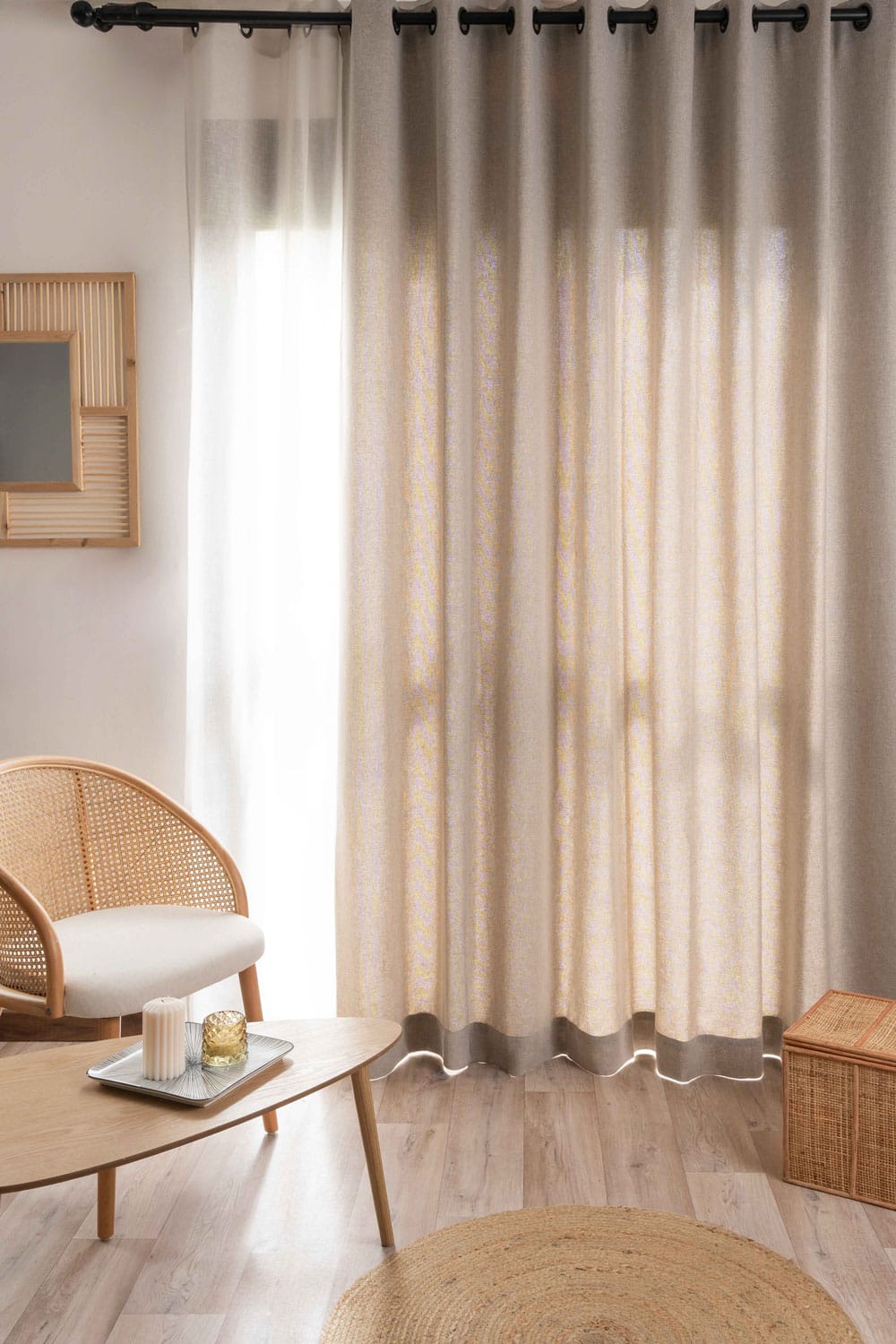
EXAMPLE ON A Recycled Siento Fabric:
Carbon Footprint
kg CO2 eq./m2
Fossil Energy Footprint
MJ eq./m2
Water Consumption Footprint
M3 eq./m2
Water Eutrophication
m3 eq water
Conclusion: We recommend that this architect choose from the SIENTO RECYCLED range, which is also certified France Terre Textile*.
ENTIRE ORDER:
Compared to SIENTO, using SIENTO RECYCLED results, for this order, in savings equivalent to:

kg of CO2
equivalent to the pollution from a 201 km car journey
MJ
equivalent to the energy needed to charge 17,566 smartphones
End of Life & Circular Economy – Nothing Goes to Waste: Towards a Circular Economy!
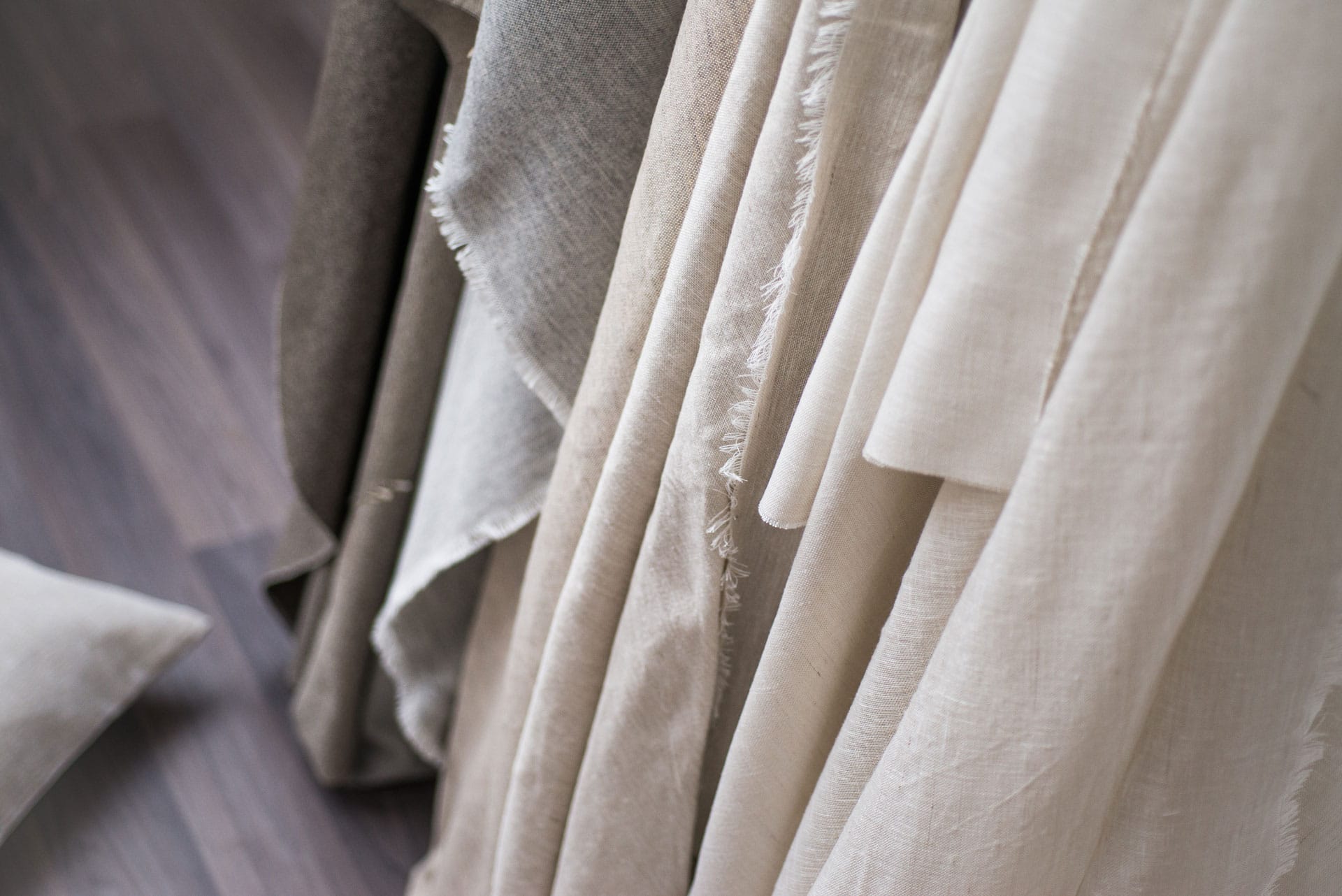
At Sotexpro, we see every fabric scrap, every unused meter, as a resource to be repurposed. Rather than talking about waste, we prefer to talk about potential.

In this spirit, we make it a priority to raise our clients’ awareness about the importance of recycling. We encourage them to work with eco-organizations such as Valdelia and Ecomaison to ensure optimal end-of-life management of products, thereby reducing their environmental impact.

SDG 13
Measures Related to Climate Change Mitigation
At Sotexpro, reducing our impact is concrete! We rethink our production methods to limit greenhouse gas emissions: optimized processes and improved energy efficiency… every action counts.
Our goal? To combine performance with responsibility, contributing to the ecological transition. By doing so, we actively support Sustainable Development Goal No. 13: Climate Action.
Our Carbon Footprint in 2022: Key Figures for Action
In our commitment to actively contribute to the fight against climate change and maintain transparency with our clients, we have conducted a comprehensive carbon assessment covering all three scopes.
Our carbon footprint amounts to
Tonnes
CO₂ equivalent based on 2022 data.
%
Of our emissions
come from the upstream part of our activity, notably from emissions related to the purchase of raw materials.
%
Emissions
come from the downstream part of our activity, notably from emissions related to the use of sold products (washing).
The energy consumption of our facilities accounts for only
%
of the total
A Clear Observation: Our main lever for action lies in optimizing our supply chain and designing more sustainable products.
We continue our efforts to reduce our footprint at every stage!
Our Main Emission Sources: Identified Action Levers

The sourcing of textile yarns, particularly polyester, is a key factor in our carbon footprint due to the use of fossil resources and the energy required for their production and processing.

The care of our textiles (washing, drying) represents a significant part of our carbon impact due to the water and energy consumed throughout the products’ life cycle.
To meet our clients’ growing expectations regarding sustainability and emission reduction, we have set ambitious goals:
2026–2027 Goal: Implement a Decarbonization Plan!
Our goal is to implement a decarbonization plan. We aim to substantially reduce our greenhouse gas emissions and commit to a continuous transformation process to achieve ambitious mid-term carbon neutrality targets.
Monitoring and Transparency with a New Carbon Assessment
We also aim to conduct a new carbon assessment to track our progress and adjust our actions based on the results. This assessment will be made available to our clients to ensure full transparency regarding our decarbonization journey.
Optimized Logistics
We know that packaging is a key factor in both the customer experience and our environmental responsibility. That’s why we have implemented a series of concrete initiatives to reduce waste and improve the efficiency of our packaging processes:
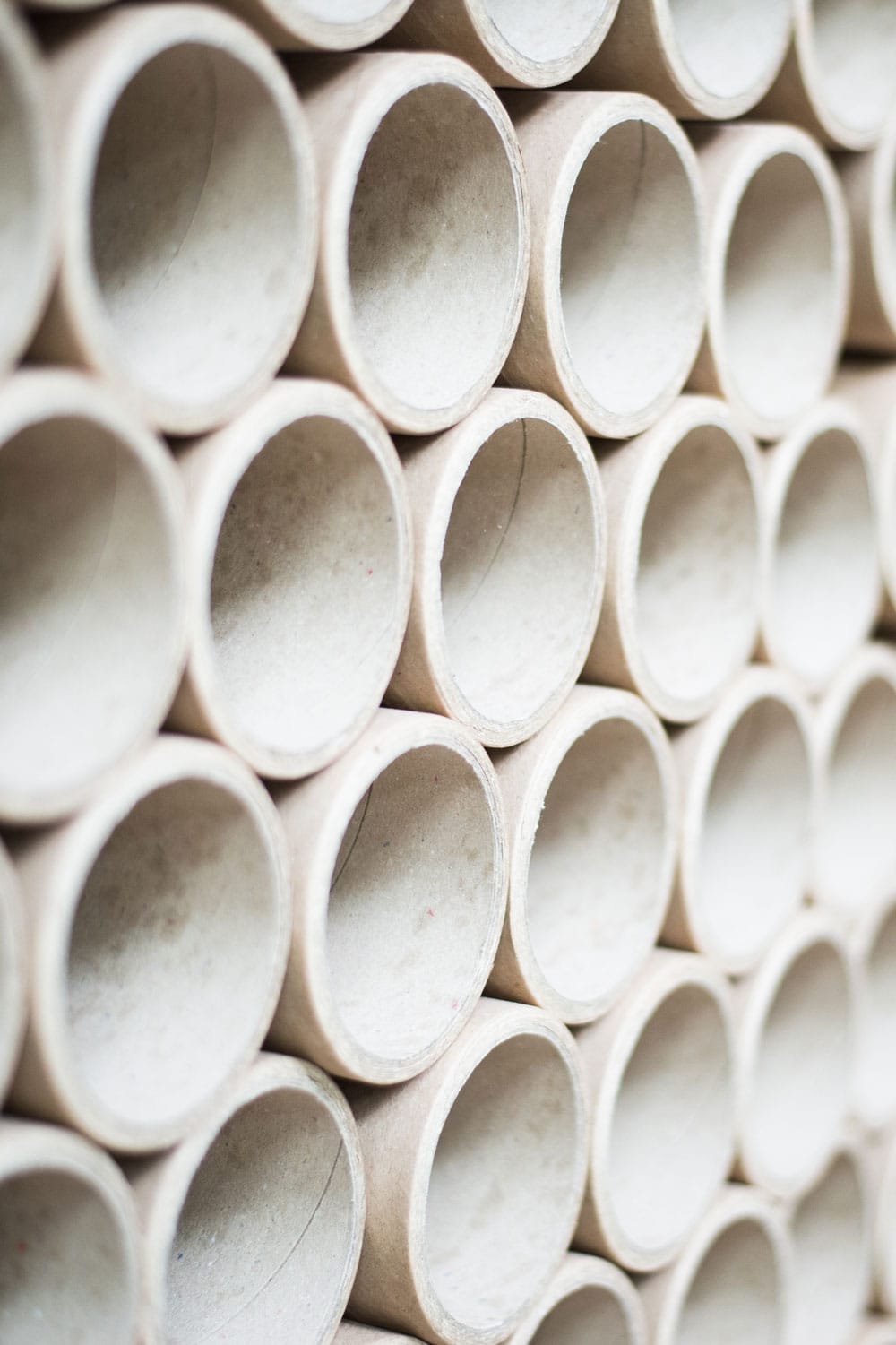
Une politique de transport responsable
Management has also made the strategic decision to invest in 100% electric vehicles, supported by the installation of charging stations on our site to facilitate this energy transition.
Our goal is to continue this momentum by reaching 20% hybrid electric vehicles by 2027.
→ Additionally, we aim to strengthen our sourcing within the EU, thereby reducing our transport-related carbon footprint by prioritizing local production.
We collaborate with carriers committed to responsible and sustainable practices. Our partners are carefully selected based on their concrete actions to reduce carbon emissions and optimize their operations.
An Ambitious Path Toward Carbon Neutrality
- A SBTi-validated target to cut emissions by 50% by 2030 and achieve net-zero carbon by 2040.
- Training drivers in eco-driving and maintaining a fleet compliant with EURO 6 standards.
- Over 95% of its sites powered by renewable electricity.
- Recognition of its commitment with a Silver Ecovadis medal.
- A gradual transition to electric and low-emission vehicles, including light commercial vehicles, trucks, and cargo bikes.
An Ambitious Roadmap to Carbon Neutrality
- A SBTi-validated target to cut emissions by 50% by 2030 and reach net-zero carbon by 2040.
- Driver training in eco-driving and a fleet compliant with EURO 6 standards.
- Over 95% of its sites powered by renewable electricity.
- Recognition of its commitment with a Silver Ecovadis medal.
- A gradual transition to electric and low-emission vehicles, including light commercial vehicles, trucks, and cargo bikes.
In 2026, we plan to continue our efforts by assessing the CSR maturity of our carriers, encouraging them to adopt our responsible transport policy, and expanding our fleet of clean vehicles. Each step of this process aims to provide you with a more environmentally friendly service while ensuring the performance and reliability you expect from us.
Our Waste Management and Valorization
As part of our continuous improvement approach to waste management, we have implemented measures to optimize sorting and valorization. We first introduced selective sorting within the company, and this year, we installed compost bins to better manage our organic waste.
Since 2007, we have also complied with the “6-stream” rule, which requires textile companies, starting in 2025, to sort their waste by material type, including a specific separation for textiles.
Reducing Our Energy Consumption

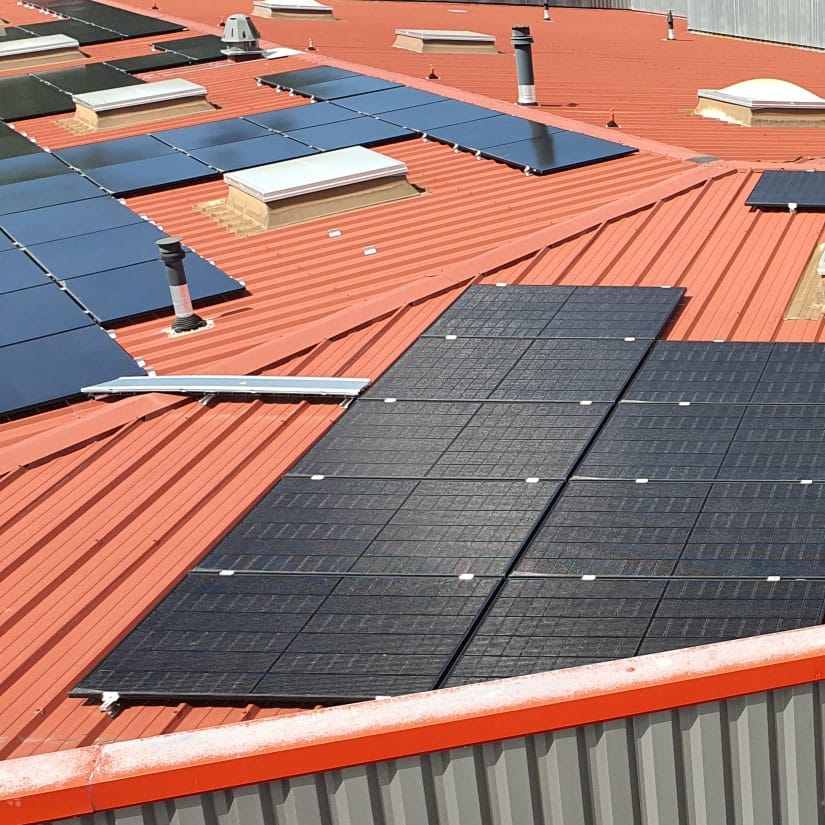
Installation of Photovoltaic Panels
In 2025, we will install photovoltaic panels at our Panissières sites to generate green electricity, in line with our strategy to reduce fossil energy consumption. This installation will cover a portion of our energy needs through self-consumption.
Installed Capacity
kWc
Estimated Self-Consumption Rate
%
Estimated CO2 emissions reduction
tonnes/year over 30 years
We have therefore planned to reach
%
of the Tertiary Decree by 2026.
This figure may evolve in the coming years depending on our energy needs and the installation’s performance.

Renovation and insulation of the Workshops
To improve the energy efficiency of our buildings, we undertook the renovation and insulation of 220 m² of false ceilings in our workshops in 2025. This initiative makes it possible to:
-
Reduce heat loss,
-
Optimize the use of heating and air conditioning.

Installation of Fans and Destratifiers
In order to improve air circulation and optimize the operation of our heating systems, we installed 3 fans/destratifiers in our workshops in 2025. This equipment mixes the warm air in the relevant areas and optimizes existing heating systems, resulting in an estimated energy saving of 5 to 8% in the zones where they are installed.

Replacement of Neon Tubes with LED Tubes
In an effort to improve our lighting and reduce energy consumption, we replaced 200 100W neon tubes with 100 52W LED tubes in 2024. This replacement allows us to achieve a significant reduction in energy consumption while maintaining the same lighting quality.
- Estimated energy savings: A 48% reduction in consumption per tube, leading to a significant decrease in energy use for our facilities’ lighting.
Committing to people
Our initiatives to ensure a stimulating, inclusive, and respectful work environment.
Promoting our local region
Our choices to sustain local textile expertise and strengthen our regional roots.
Do you have a project?
Our sales team supports you and provides expert guidance on standards tailored to specific types of establishments (schools, hospitality, retirement homes, healthcare facilities, etc.).